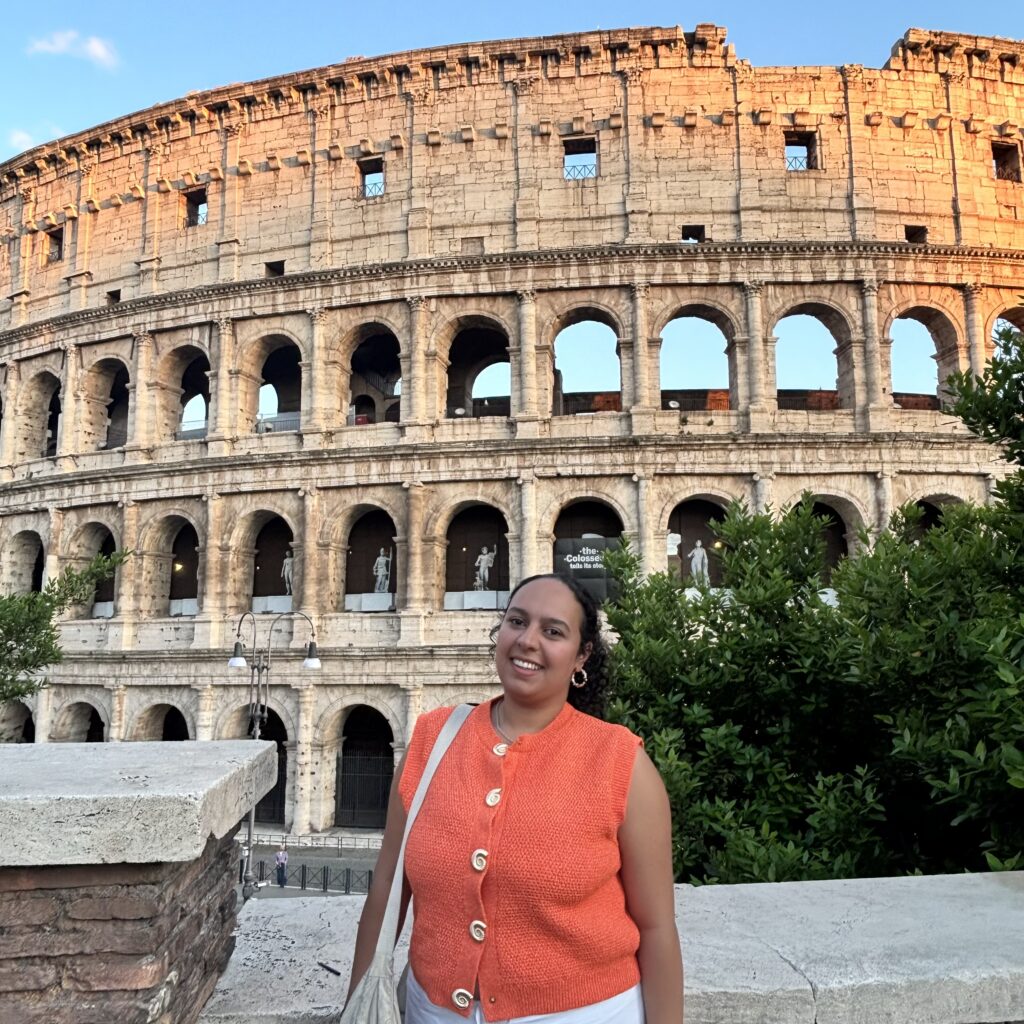
Hi Everyone 🙂
My name is Khadija Hilali, and I am currently a third-year Psychology and Business student at the University of Victoria. Over the past couple of years, my educational path has been influenced by both traditional learning and by digital tools and platforms. Volunteering as a tutor, working as a communication assistant, and managing university social media accounts have all helped me see the impact of technology on how we learn, communicate, and grow.
Social Media and Its Role in Education
For me, social media has been both a personal outlet and an academic tool. I have used Instagram to find study tips, TikTok for tutorials, and YouTube for staying updated on world events that often come up in class discussions.
I think that in education, social media can:
- Help in engagement through interactive learning (for example, polls or Q&As).
- Create learning communities.
- Make information more accessible.
But I also think that it can:
- Be Distractive.
- Contains misinformation.
- Pressure to present “perfection”.
Balancing social use and education is key!
Follow: https://www.instagram.com/universityofvictoria/?hl=en to see how educational content is shared in real time.
Personalized Learning & Digital Literacies
I, as an individual, have always learned best when I can go at my own pace. Personalized learning tools like Khan Academy help me stay motivated by giving me immediate feedback and setting achievable goals.
Also, digital literacy is as important. Whether it’s evaluating sources for a research paper or understanding how algorithms affect what content I see online, digital literacy gives me the critical thinking tools I need.
Some tools I’ve used that support this:
- Notion for organizing notes and to-do lists.
- Quizlet to improve test taking.
- Google Scholar and UVic Libraries for credible research.
Digital Identity & Online Presence
I try to be smart about my digital footprint. I use privacy settings, post mindfully, and keep my professional content separate from personal social media.
This matters to me because my digital identity can often be the first impression people have of me, whether it’s a future employer, classmate, or collaborator. I want my online presence to reflect my interests, goals, and values in a way that feels true and respectful.
Ethical Navigation of Online Platforms
Learning how to use platforms like Brightspace, Canva, and Zoom didn’t come naturally; it took time. But learning these tools taught me how to adapt, ask questions, and support others who might be struggling.
Being ethical online to me means:
- Crediting sources.
- Avoiding plagiarism.
- Not reposting harmful or false content.
- Respecting others’ privacy.
By following these guidelines, I can make online space safer, more inclusive, and productive for everyone.
Final Thoughts
In this course, I hope to continue building my digital identity, sharpening my digital skills, and exploring how technology can support personalized and ethical learning.
Thanks for reading, feel free to comment or connect!
Leave a Reply