Building Inclusive and Ethical Learning Networks in the Digital Age
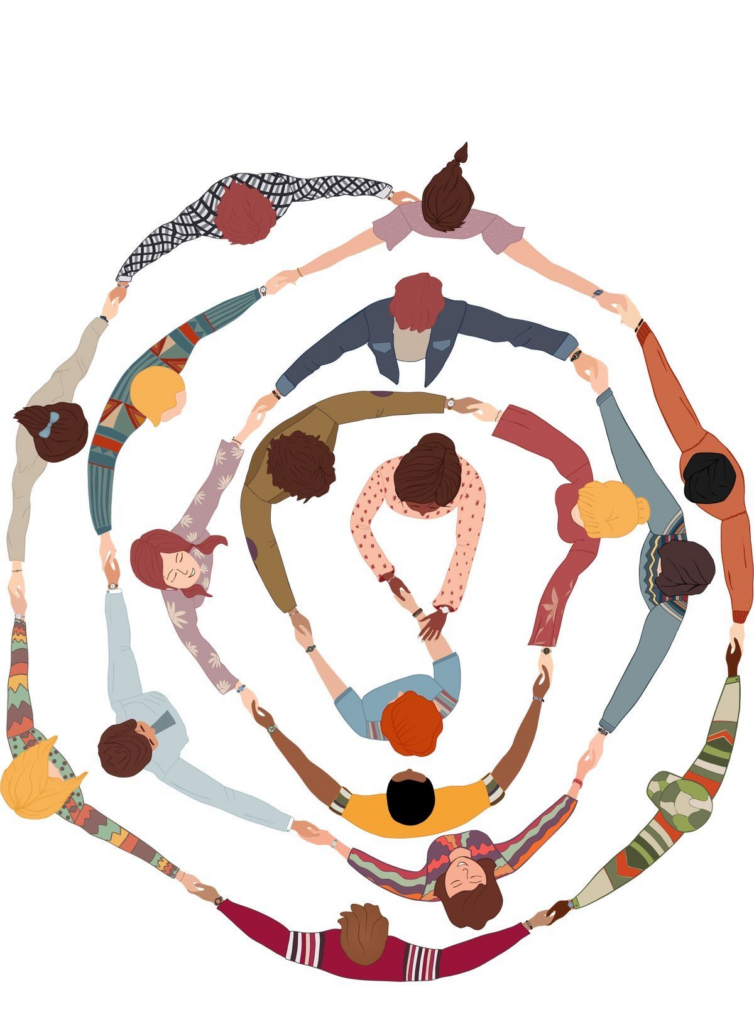
We live in a digital world where learning does not stop in the classroom. Thanks to social media, we now have the power to grow our knowledge by building Personal Learning Networks (PLNs) intentional online communities that help us grow through connection and collaboration.
A PLN (Personal Learning Network) is a group of people you connect with to learn, grow, and share professional interests, ideas, and resources.
Green, 2020
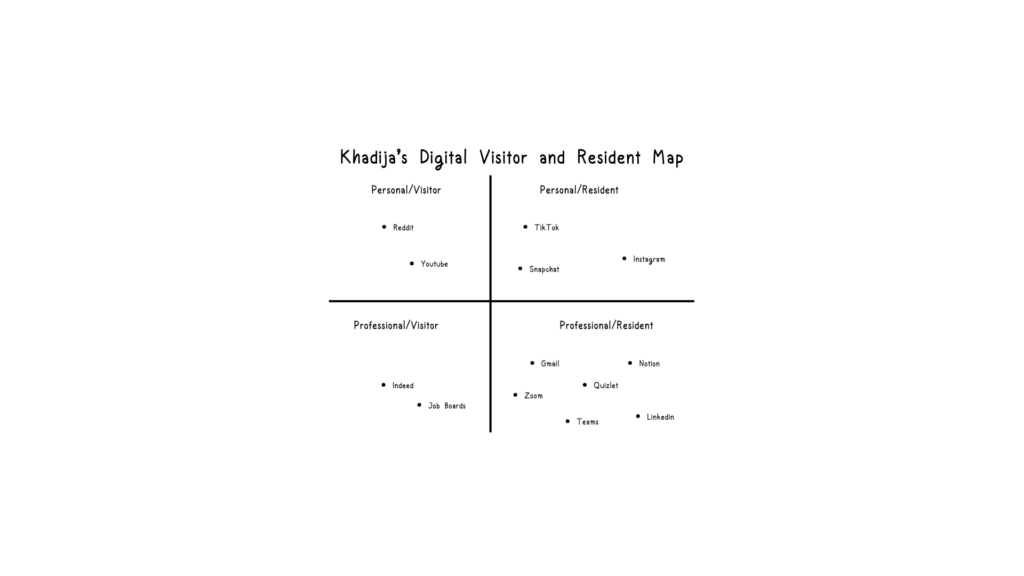
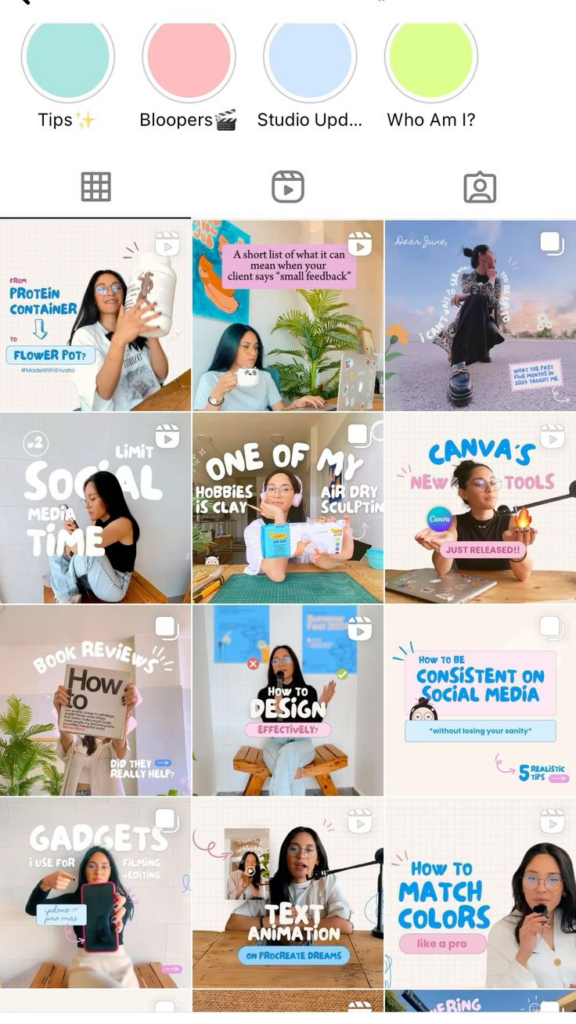
From TikTok tips on productivity to deep academic conversations on LinkedIn, PLNs are reshaping how we learn. Below is a comparison of the platforms I’ve used in building mine.
PLN Platform Comparison Table
| Platform | How I Use It for Learning & Growth | Strengths | Considerations |
|---|---|---|---|
| Follow experts in psychology, law, and education. Join professional groups and engage in career-focused discussions. | Professional, structured, great for networking. | Less casual, limited creative content. | |
| Follow student mentors, wellness pages, and academic infographics. Engage with reels and stories. | Visually engaging, quick tips, large audiences. | Algorithms may limit reach to diverse voices. | |
| TikTok | Watch “StudyTok,” mental health tips, productivity hacks, and mini career Q&As. | Highly relatable, digestible, entertaining. | Time-consuming, misinformation risk. |
| Join communities like r/AskAcademia or r/psychology for peer insights and honest experiences. | Anonymity encourages open sharing. | Quality of information varies. | |
| X / Twitter | Keep up with real-time academic news, conference threads, and policy debates. | Fast-paced, global ideas. | Easy to get lost in noise. |
Privacy, Ethics, and Security in Digital Spaces
In building PLNs, we also need to protect ourselves and others. Here are some personal strategies I use in my life:
- Strong passwords and two-factor authentication for all platforms
- Think before I post or reshare: Is it true? Is it respectful?
- Avoid oversharing personal information
- Stay informed about platform privacy settings and updates (check yours here)
These practices not only keep me safe but also foster trust in digital communities.
Making PLNs Inclusive
I believe that strong PLN is one that represents many voices. Here’s how I aim for inclusivity:
- Follow creators from different cultural backgrounds, languages, and identities
- Engage with social justice content to stay informed and self-aware
- Support accessible content (captions)
- Diversifying who I listen to, even if I disagree
Inclusivity also means rethinking how we design learning spaces. This is where Universal Design for Learning (UDL) comes in.
What is UDL and Why Should We Care?
Universal Design for Learning (UDL) is an educational framework that makes learning more accessible for everyone, especially in digital spaces.
Government of Canada, 2024
3 key principles:
| Principle | What it Means | Example in a PLN |
|---|---|---|
| Multiple Means of Engagement | Offer different ways to stay motivated | Using polls, reels, or live chats to boost interaction |
| Multiple Means of Representation | Present content in many formats | Infographics, videos, audio, written text |
| Multiple Means of Action & Expression | Allow various ways to respond or contribute | Duets on TikTok, commenting, blogging, or DMs |
As CAST (n.d.) explains, applying UDL helps ensure every learner feels seen and supported, whether you’re neurodivergent, ESL, or just someone with a unique learning style.
Want to learn more about UDL? Visit UDL Guidelines.
Digital Learning Isn’t Always Inclusive. But It Can Be!
Despite all this potential, digital learning still has issues:
- Some platforms lack screen reader support
- Algorithms may favor dominant cultural narratives
- Marginalized voices are often drowned out
But we can help change that. Here’s what I do, and what I encourage others to try:
- Use alt-text and image descriptions
- Caption all video content
- Credit diverse creators and highlight underrepresented voices
- Push platforms to improve their accessibility tools
Final Thoughts
Creating and maintaining a PLN is an ongoing process. It’s more than hitting “follow.” It’s about being ethical and inclusive. Social media can be a powerful tool when used right. With UDL as a guide and diversity at the core, we can build spaces where learning is accessible to everyone.
Let’s keep learning, and let’s do it together.
Drop a comment or share a tool you use in your PLN!
References
CAST, Inc. (n.d.). The UDL guidelines. The UDL Guidelines. https://udlguidelines.cast.org/
Cathy L. Green, O. S. U. (2020, August 28). Personal learning networks: Defining and building a PLN. Learning in the Digital Age. https://open.library.okstate.edu/learninginthedigitalage/chapter/personal-learning-networks_defining-and-building-a-pln/
Government of Canada. (2024, August 26). Government of Canada. Digital Accessibility Toolkit. https://a11y.canada.ca/en/universal-design-for-learning-udl/