Throughout Module Two, I began to explore how deeply my online presence shapes who I am both in my personal and professional life. In this post, I’ll reflect on how I manage my digital identity, where I consider myself a digital visitor vs. resident, how personalized learning theories influence my academic journey, as well as what steps I take to be more aware of privacy, surveillance, and my digital footprint.
Digital Identity: Personal vs Professional
As stated in the course, digital identity refers to how we represent ourselves online through the content we share, the platforms we use, and the ways we interact with others. It includes our usernames, photos, bios, comments, and even our search histories. It’s helpful to think about this identity in two parts:
- Personal digital identity: the casual, social version of ourselves (e.g., posts on Instagram, TikTok with friends, playlists on Spotify).
- Professional digital identity: the version we want employers, professors, and mentors to see (e.g., LinkedIn, digital portfolios, or academic email tone).
I’ve found it useful to keep these sides separate. For example, my Instagram is private and only for close friends, while my LinkedIn profile shows my work experience and academic interests. This separator protects my privacy and ensures my professional platforms stay aligned with my long-term goals in communications and psychology.
Pros:
- Allows me to express myself authentically without risking professional consequences
- Helps me target different audiences with different messages
Cons:
- It takes effort to maintain two digital spaces
- There’s always a risk of overlap or being misunderstood
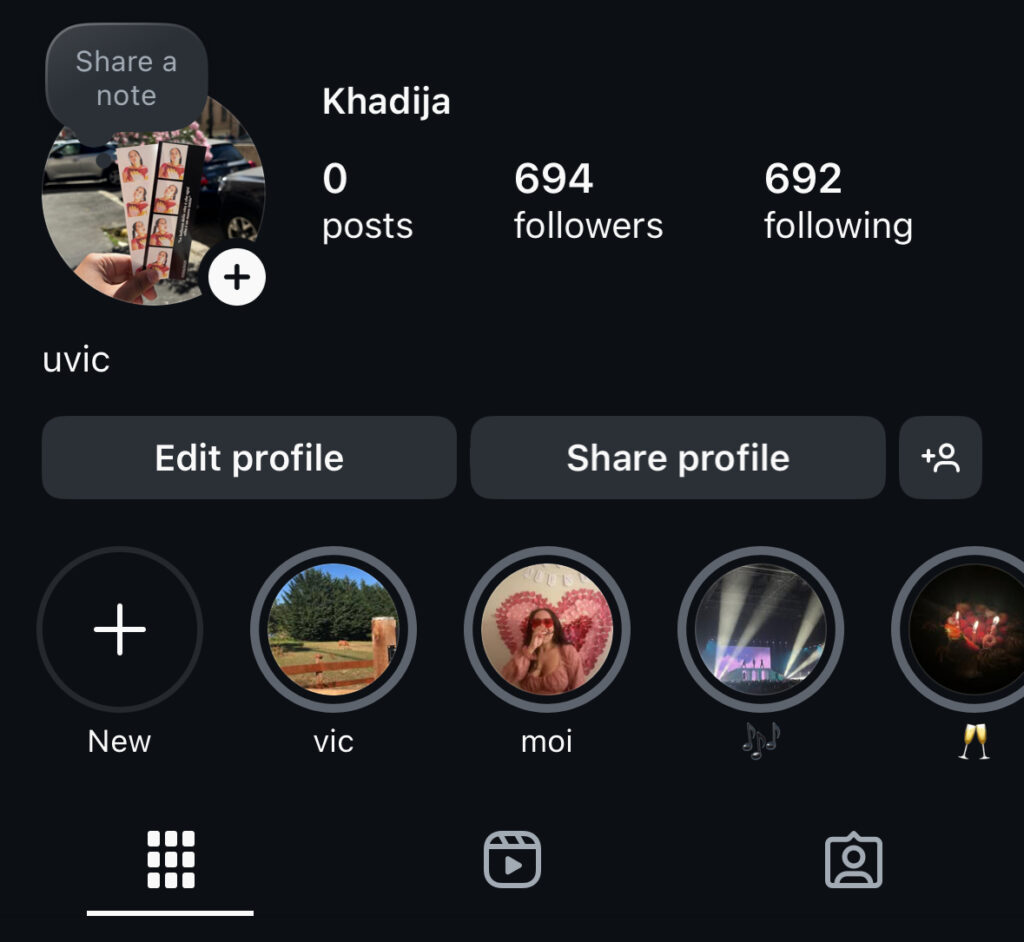
Photo by Khadija Screen Shot on Instagram
My Digital Visitor and Resident Map
I created my own Digital Visitor and Resident Map to understand how I interact with different platforms.
- Digital Resident: These are the platforms where I live online. I regularly use Gmail, Google Docs, Instagram, and Zoom to collaborate, communicate, and engage. My identity is present these platforms.
- Digital Visitor: Platforms like Reddit, university databases, or Notion are more task-based. I visit them with a goal.
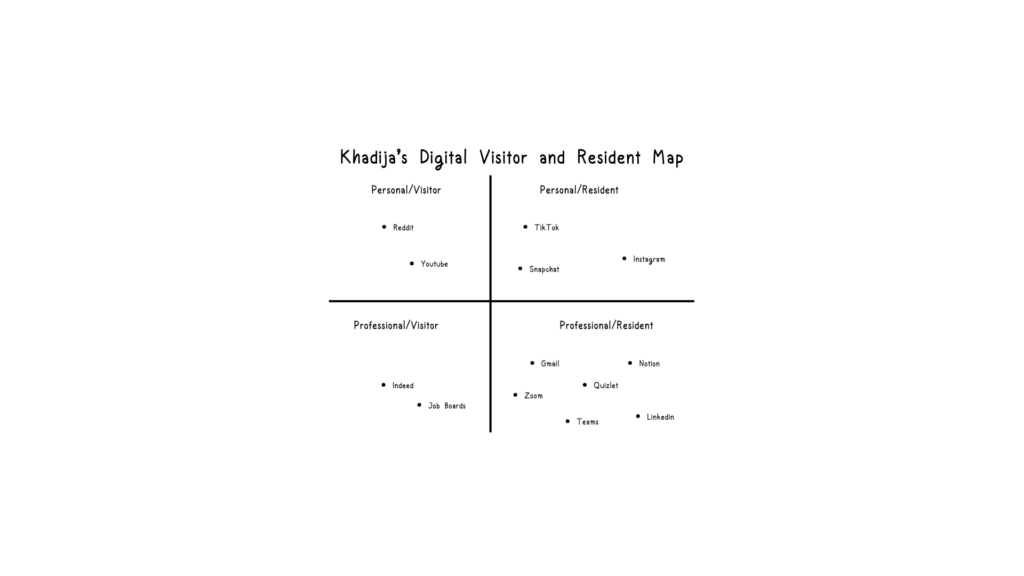
Made by Khadija on Canva
Theories of Personalized Learning
As we learned in class, personalized learning focuses on creating education to meet each student’s unique needs, preferences, and learning styles. Two theories stood out to me:
- Constructivist Learning: This theory says we build knowledge through lived experiences. I notice this most when I connect course material to my digital habits, like reflecting on Instagram use during this assignment.
- Self-Directed Learning: This encourages learners to set goals, explore topics independently, and take charge of their education. For me, this looks like choosing how to format my blogs or using tools like Quizlet to study in my way.
Pros:
- Gives me freedom to learn at my own pace
- Makes learning feel more relevant and engaging
Cons:
- It can be overwhelming without structure
- Requires a lot of motivation
Because of these approaches, I feel more empowered in my learning. It’s not just about soaking content, it’s about connecting what I learn to how I live and who I want to become.
Privacy, Surveillance, and My Digital Footprint Awareness
Digital footprint means the trail of data I leave behind, such as searches, clicks, comments, and posts. I’ve started to think more about the fact that even if I delete something, it might still exist somewhere. When combined with surveillance such as the way apps, websites, and third parties monitor our activity, it becomes clear how vulnerable we are online.
To protect my privacy, I take the following steps:
- Use strong, unique passwords with two-factor authentication
- Review app permissions and cookie settings
- Keep my social media private and limit location sharing
Understanding data security and ethical data use also made me realize how important it is to treat others information with the same care. If I’m collecting feedback or running a survey, I need to be transparent and respectful about how I use that data.
Final Reflections
This module has helped me see my digital life as more than just scrolling; it’s an extension of my real-life identity, learning style, and personal values. By being more aware of how I show up online, who I interact with, and what kind of footprint I’m leaving behind, I feel more in control. I’m excited to keep refining my digital professionalism and practicing intentional habits that will benefit both my academic journey and future career.