Category: Weekly Blog Posts

Making Digital Spaces Inclusive and Ethical

Image by danielcindybulck danielcindybulck on Pinterest

Building Inclusive and Ethical Learning Networks in the Digital Age

We live in a digital world where learning does not stop in the classroom. Thanks to social media, we now have the power to grow our knowledge by building Personal Learning Networks (PLNs) intentional online communities that help us grow through connection and collaboration.

A PLN (Personal Learning Network) is a group of people you connect with to learn, grow, and share professional interests, ideas, and resources.

Green, 2020

From TikTok tips on productivity to deep academic conversations on LinkedIn, PLNs are reshaping how we learn. Below is a comparison of the platforms I’ve used in building mine.


PLN Platform Comparison Table

PlatformHow I Use It for Learning & GrowthStrengthsConsiderations
LinkedInFollow experts in psychology, law, and education. Join professional groups and engage in career-focused discussions.Professional, structured, great for networking.Less casual, limited creative content.
InstagramFollow student mentors, wellness pages, and academic infographics. Engage with reels and stories.Visually engaging, quick tips, large audiences.Algorithms may limit reach to diverse voices.
TikTokWatch ā€œStudyTok,ā€ mental health tips, productivity hacks, and mini career Q&As.Highly relatable, digestible, entertaining.Time-consuming, misinformation risk.
RedditJoin communities like r/AskAcademia or r/psychology for peer insights and honest experiences.Anonymity encourages open sharing.Quality of information varies.
X / TwitterKeep up with real-time academic news, conference threads, and policy debates.Fast-paced, global ideas.Easy to get lost in noise.
Image by Social Design Agency on Pinterest

Privacy, Ethics, and Security in Digital Spaces

In building PLNs, we also need to protect ourselves and others. Here are some personal strategies I use in my life:

  • Strong passwords and two-factor authentication for all platforms
  • Think before I post or reshare: Is it true? Is it respectful?
  • Avoid oversharing personal information
  • Stay informed about platform privacy settings and updates (check yours here)

These practices not only keep me safe but also foster trust in digital communities.


Making PLNs Inclusive

I believe that strong PLN is one that represents many voices. Here’s how I aim for inclusivity:

  • Follow creators from different cultural backgrounds, languages, and identities
  • Engage with social justice content to stay informed and self-aware
  • Support accessible content (captions)
  • Diversifying who I listen to, even if I disagree

Inclusivity also means rethinking how we design learning spaces. This is where Universal Design for Learning (UDL) comes in.
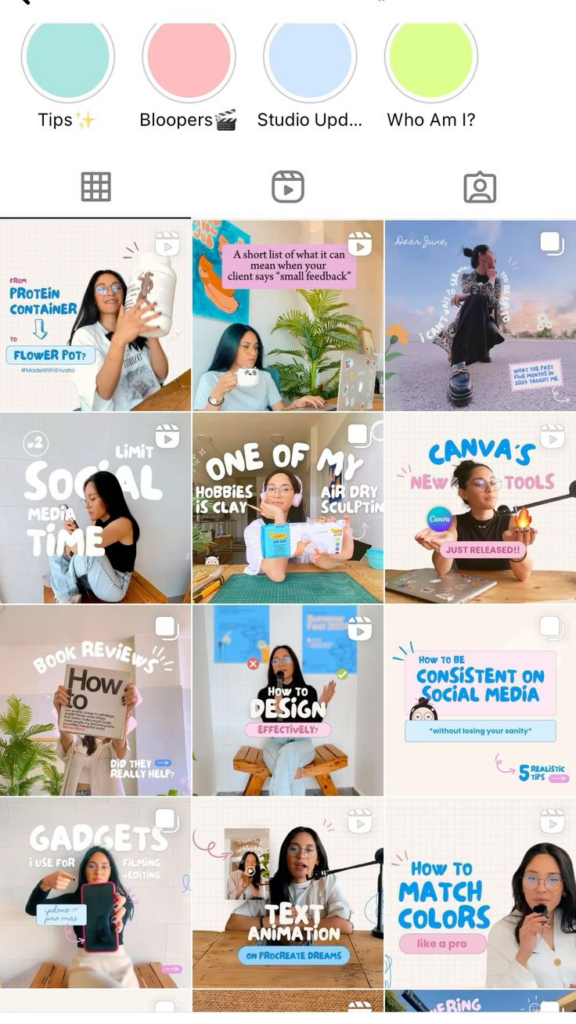
Image by Sophie Hale – Writer + Blogger on Pinterest

What is UDL and Why Should We Care?

Universal Design for Learning (UDL) is an educational framework that makes learning more accessible for everyone, especially in digital spaces.

Government of Canada, 2024

3 key principles:

PrincipleWhat it MeansExample in a PLN
Multiple Means of EngagementOffer different ways to stay motivatedUsing polls, reels, or live chats to boost interaction
Multiple Means of RepresentationPresent content in many formatsInfographics, videos, audio, written text
Multiple Means of Action & ExpressionAllow various ways to respond or contributeDuets on TikTok, commenting, blogging, or DMs

As CAST (n.d.) explains, applying UDL helps ensure every learner feels seen and supported, whether you’re neurodivergent, ESL, or just someone with a unique learning style.

Want to learn more about UDL? Visit UDL Guidelines.


Digital Learning Isn’t Always Inclusive. But It Can Be!

Despite all this potential, digital learning still has issues:

  • Some platforms lack screen reader support
  • Algorithms may favor dominant cultural narratives
  • Marginalized voices are often drowned out

But we can help change that. Here’s what I do, and what I encourage others to try:

  • Use alt-text and image descriptions
  • Caption all video content
  • Credit diverse creators and highlight underrepresented voices
  • Push platforms to improve their accessibility tools

Final Thoughts

Creating and maintaining a PLN is an ongoing process. It’s more than hitting “follow.” It’s about being ethical and inclusive. Social media can be a powerful tool when used right. With UDL as a guide and diversity at the core, we can build spaces where learning is accessible to everyone.

Let’s keep learning, and let’s do it together.

Drop a comment or share a tool you use in your PLN!


References

CAST, Inc. (n.d.). The UDL guidelines. The UDL Guidelines. https://udlguidelines.cast.org/

Cathy L. Green, O. S. U. (2020, August 28). Personal learning networks: Defining and building a PLN. Learning in the Digital Age. https://open.library.okstate.edu/learninginthedigitalage/chapter/personal-learning-networks_defining-and-building-a-pln/

Government of Canada. (2024, August 26). Government of Canada. Digital Accessibility Toolkit. https://a11y.canada.ca/en/universal-design-for-learning-udl/
Navigating Digital Identity, Privacy, and Personalized Learning

Throughout Module Two, I began to explore how deeply my online presence shapes who I am both in my personal and professional life. In this post, I’ll reflect on how I manage my digital identity, where I consider myself a digital visitor vs. resident, how personalized learning theories influence my academic journey, as well as what steps I take to be more aware of privacy, surveillance, and my digital footprint.

Digital Identity: Personal vs Professional

As stated in the course, digital identity refers to how we represent ourselves online through the content we share, the platforms we use, and the ways we interact with others. It includes our usernames, photos, bios, comments, and even our search histories. It’s helpful to think about this identity in two parts:

  • Personal digital identity: the casual, social version of ourselves (e.g., posts on Instagram, TikTok with friends, playlists on Spotify).
  • Professional digital identity: the version we want employers, professors, and mentors to see (e.g., LinkedIn, digital portfolios, or academic email tone).

I’ve found it useful to keep these sides separate. For example, my Instagram is private and only for close friends, while my LinkedIn profile shows my work experience and academic interests. This separator protects my privacy and ensures my professional platforms stay aligned with my long-term goals in communications and psychology.

Pros:

  • Allows me to express myself authentically without risking professional consequences
  • Helps me target different audiences with different messages

Cons:

  • It takes effort to maintain two digital spaces
  • There’s always a risk of overlap or being misunderstood
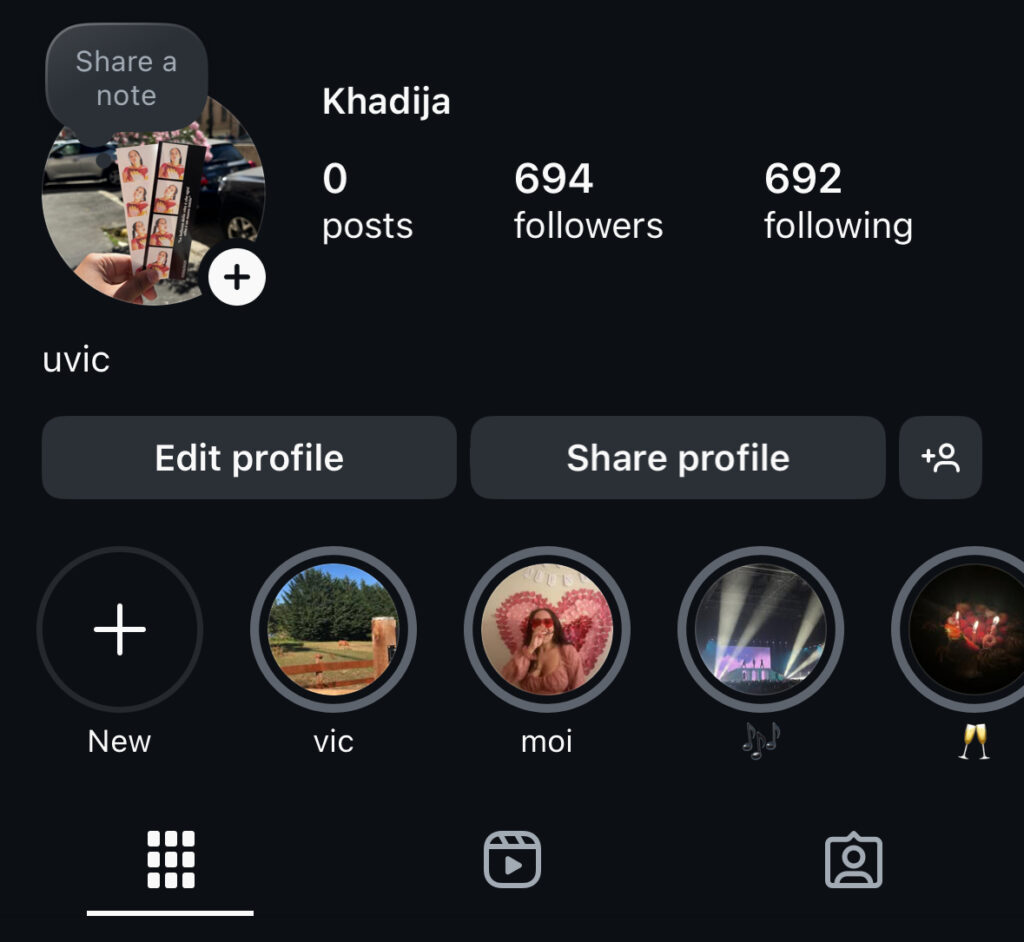
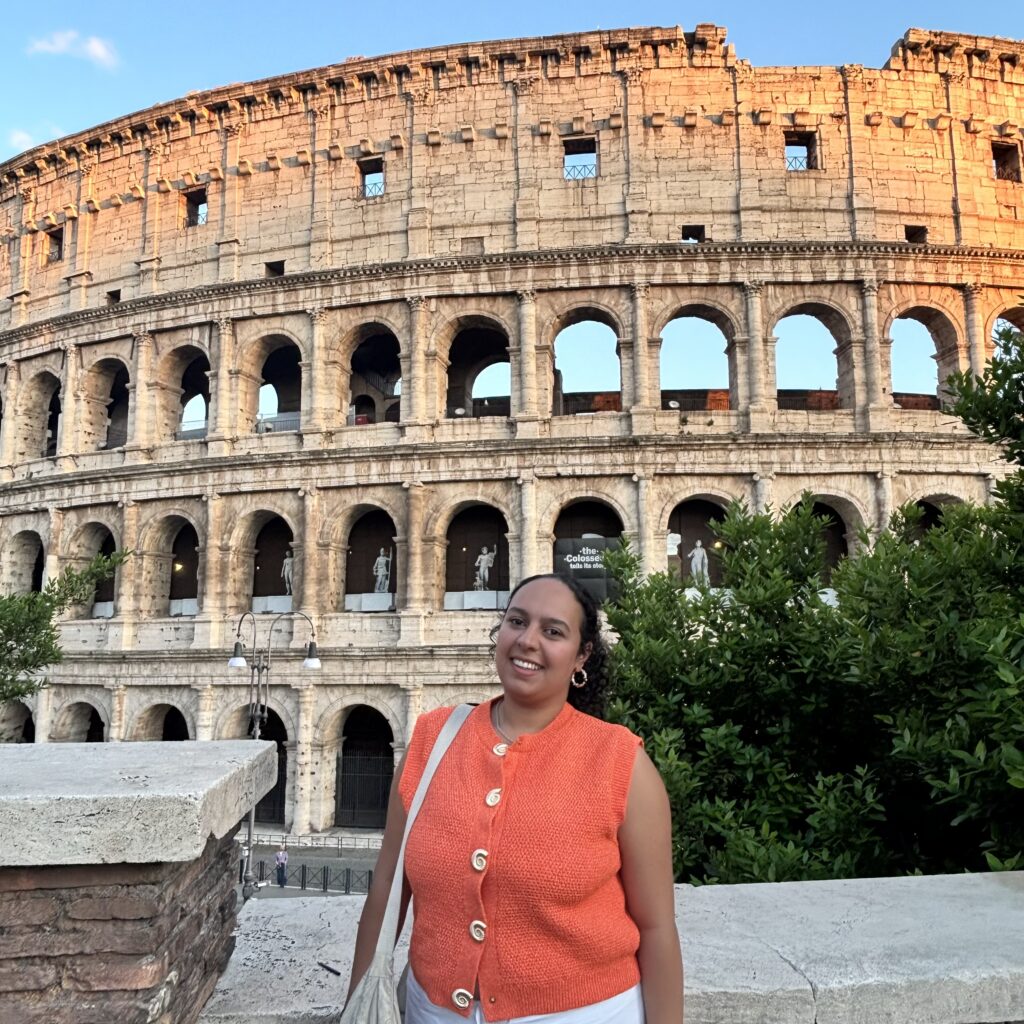
Photo by Khadija Screen Shot on Instagram

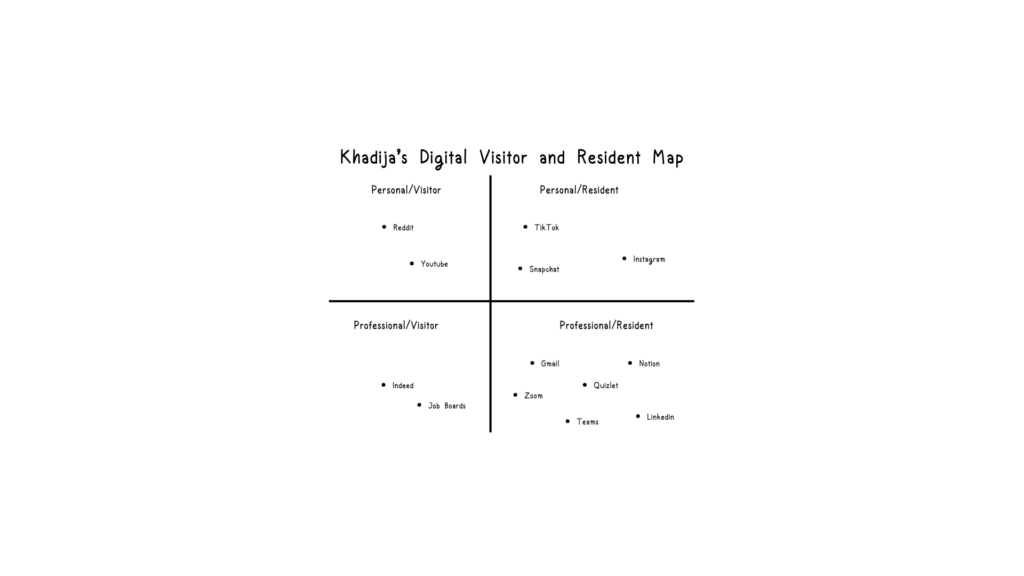
My Digital Visitor and Resident Map

I created my own Digital Visitor and Resident Map to understand how I interact with different platforms.

  • Digital Resident: These are the platforms where I live online. I regularly use Gmail, Google Docs, Instagram, and Zoom to collaborate, communicate, and engage. My identity is present these platforms.
  • Digital Visitor: Platforms like Reddit, university databases, or Notion are more task-based. I visit them with a goal.
Made by Khadija on Canva

Theories of Personalized Learning

As we learned in class, personalized learning focuses on creating education to meet each student’s unique needs, preferences, and learning styles. Two theories stood out to me:

  • Constructivist Learning: This theory says we build knowledge through lived experiences. I notice this most when I connect course material to my digital habits, like reflecting on Instagram use during this assignment.
  • Self-Directed Learning: This encourages learners to set goals, explore topics independently, and take charge of their education. For me, this looks like choosing how to format my blogs or using tools like Quizlet to study in my way.

Pros:

  • Gives me freedom to learn at my own pace
  • Makes learning feel more relevant and engaging

Cons:

  • It can be overwhelming without structure
  • Requires a lot of motivation

Because of these approaches, I feel more empowered in my learning. It’s not just about soaking content, it’s about connecting what I learn to how I live and who I want to become.

Privacy, Surveillance, and My Digital Footprint Awareness

Digital footprint means the trail of data I leave behind, such as searches, clicks, comments, and posts. I’ve started to think more about the fact that even if I delete something, it might still exist somewhere. When combined with surveillance such as the way apps, websites, and third parties monitor our activity, it becomes clear how vulnerable we are online.

To protect my privacy, I take the following steps:

  • Use strong, unique passwords with two-factor authentication
  • Review app permissions and cookie settings
  • Keep my social media private and limit location sharing

Understanding data security and ethical data use also made me realize how important it is to treat others information with the same care. If I’m collecting feedback or running a survey, I need to be transparent and respectful about how I use that data.

Final Reflections

This module has helped me see my digital life as more than just scrolling; it’s an extension of my real-life identity, learning style, and personal values. By being more aware of how I show up online, who I interact with, and what kind of footprint I’m leaving behind, I feel more in control. I’m excited to keep refining my digital professionalism and practicing intentional habits that will benefit both my academic journey and future career.

Building My Digital Self: From Student to Online Learner

Hi Everyone šŸ™‚

My name is Khadija Hilali, and I am currently a third-year Psychology and Business student at the University of Victoria. Over the past couple of years, my educational path has been influenced by both traditional learning and by digital tools and platforms. Volunteering as a tutor, working as a communication assistant, and managing university social media accounts have all helped me see the impact of technology on how we learn, communicate, and grow.

Social Media and Its Role in Education

For me, social media has been both a personal outlet and an academic tool. I have used Instagram to find study tips, TikTok for tutorials, and YouTube for staying updated on world events that often come up in class discussions.

I think that in education, social media can:

  • Help in engagement through interactive learning (for example, polls or Q&As).
  • Create learning communities.
  • Make information more accessible.

But I also think that it can:

  • Be Distractive.
  • Contains misinformation.
  • Pressure to present “perfection”.

Balancing social use and education is key!

Follow: https://www.instagram.com/universityofvictoria/?hl=en to see how educational content is shared in real time.

Personalized Learning & Digital Literacies

I, as an individual, have always learned best when I can go at my own pace. Personalized learning tools like Khan Academy help me stay motivated by giving me immediate feedback and setting achievable goals.

Also, digital literacy is as important. Whether it’s evaluating sources for a research paper or understanding how algorithms affect what content I see online, digital literacy gives me the critical thinking tools I need.

Some tools I’ve used that support this:

  • Notion for organizing notes and to-do lists.
  • Quizlet to improve test taking.
  • Google Scholar and UVic Libraries for credible research.

Digital Identity & Online Presence

I try to be smart about my digital footprint. I use privacy settings, post mindfully, and keep my professional content separate from personal social media.

This matters to me because my digital identity can often be the first impression people have of me, whether it’s a future employer, classmate, or collaborator. I want my online presence to reflect my interests, goals, and values in a way that feels true and respectful.

Ethical Navigation of Online Platforms

Learning how to use platforms like Brightspace, Canva, and Zoom didn’t come naturally; it took time. But learning these tools taught me how to adapt, ask questions, and support others who might be struggling.

Being ethical online to me means:

  • Crediting sources.
  • Avoiding plagiarism.
  • Not reposting harmful or false content.
  • Respecting others’ privacy.

By following these guidelines, I can make online space safer, more inclusive, and productive for everyone.

Final Thoughts

In this course, I hope to continue building my digital identity, sharpening my digital skills, and exploring how technology can support personalized and ethical learning.

Thanks for reading, feel free to comment or connect!

© 2026 Social Lens

Theme by Anders NorenUp ↑